New book-project: My great-grandfater was a colonizer in China
After 20 years as a cultural reporter for the German magazine "stern", I am taking a new direction. I am going East: I am writing a work of literary non-fiction about my great-grandfather, who was a Protestant missionary in China. The book will be published by the German publishing house “Carl Hanser Verlag” in 2028.
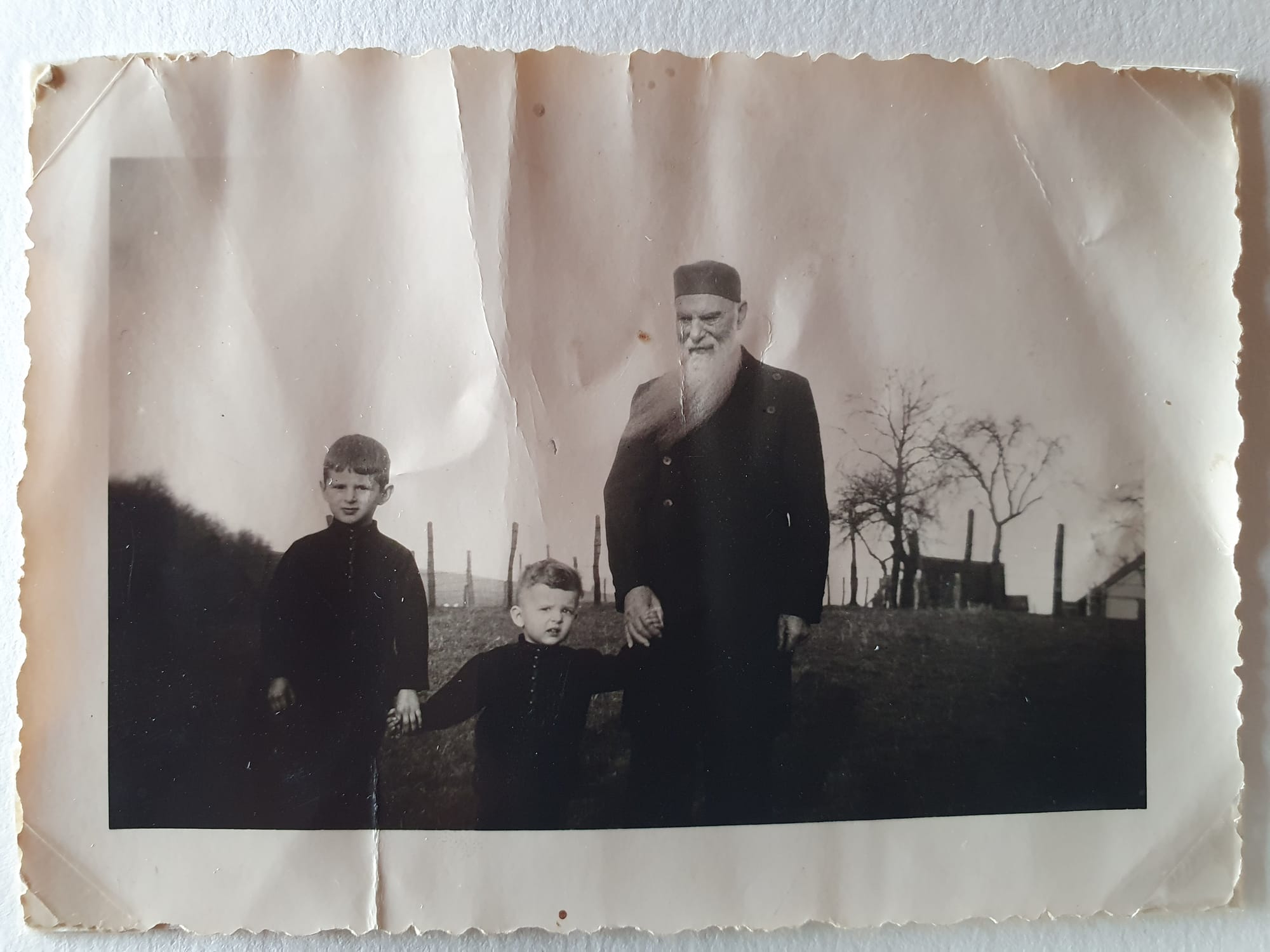
For 38 years, Carl Maus (1861–1947) tried to convert “pagan souls” in Guangdong Province in southern China. Like all missionaries, he benefited from the “Unequal Treaties” that the Western powers imposed on China after the Opium Wars. These treaties allowed him to freely preach against Confucianism, Taoism, and all forms of revolution. Of course he preached against revolution: he was a German patriot of the 19th century. To him, all revolutionaries were simply “robbers and pirates.”
My great-grandfather was not merely a missionary in China. He was a colonizer. But China eventually had enough of Western imperialism and fought back. So Carl had to deal with “robbers and pirates” on an almost daily basis. In the subtropical Pearl River region between Hong Kong, Macau, and Canton, he witnessed at close quarters the collapse of an imperial dynasty that had endured for millennia.
Then I found his letters
In the archives of the "Rhenish Mission" in the German city of Wuppertal, I found hundreds of handwritten letters in which this Wilhelmine-era missionary reports on daily life in China, river pirates, the Boxer Uprising, republican revolutions, Sun Yat-sen, warlords, and “sermons to heathens” delivered with a portable harmonium in flooded marketplaces.
Across several thousand pages unfolds a vivid account from the front lines of a little-known chapter in German colonial history: the German presence in China. The letters contain disturbing echoes of the great crises of the 20th century: world wars, inflation, racism, civil wars, the steady rise of nationalism, and ethnic-nationalist delusions.
A man at the tipping point of modernity
I will now subject these yellowed letters, written in spiky Kurrent script, to historical-critical analysis, digitize and decipher them, and ultimately reconstruct the life story of a man at the tipping point of modernity. My 92-year-old father still remembers his grandfather well. He will help me bring the missionary back to life.
In 2027, I will travel to Guangdong Province to search for traces of this colonial past in one of the most modern regions of the world. I will look for old missionary graves beneath high-speed railway tracks and for little Protestant chapels beside startup hubs. I will visit the church my grandfather built in Hong Kong in 1914, just a few weeks before the outbreak of the First World War. And I will speak to members of the congregation who still gather there every Sunday to pray in this small, old German building surrounded by enormous skyscrapers.
I am very much looking forward to the research, the trip to China, and the writing. And I am really curious to see how much of that strict Pietist missionary is still in me.